
U.S. Baseload Geothermal Power and Critical Minerals
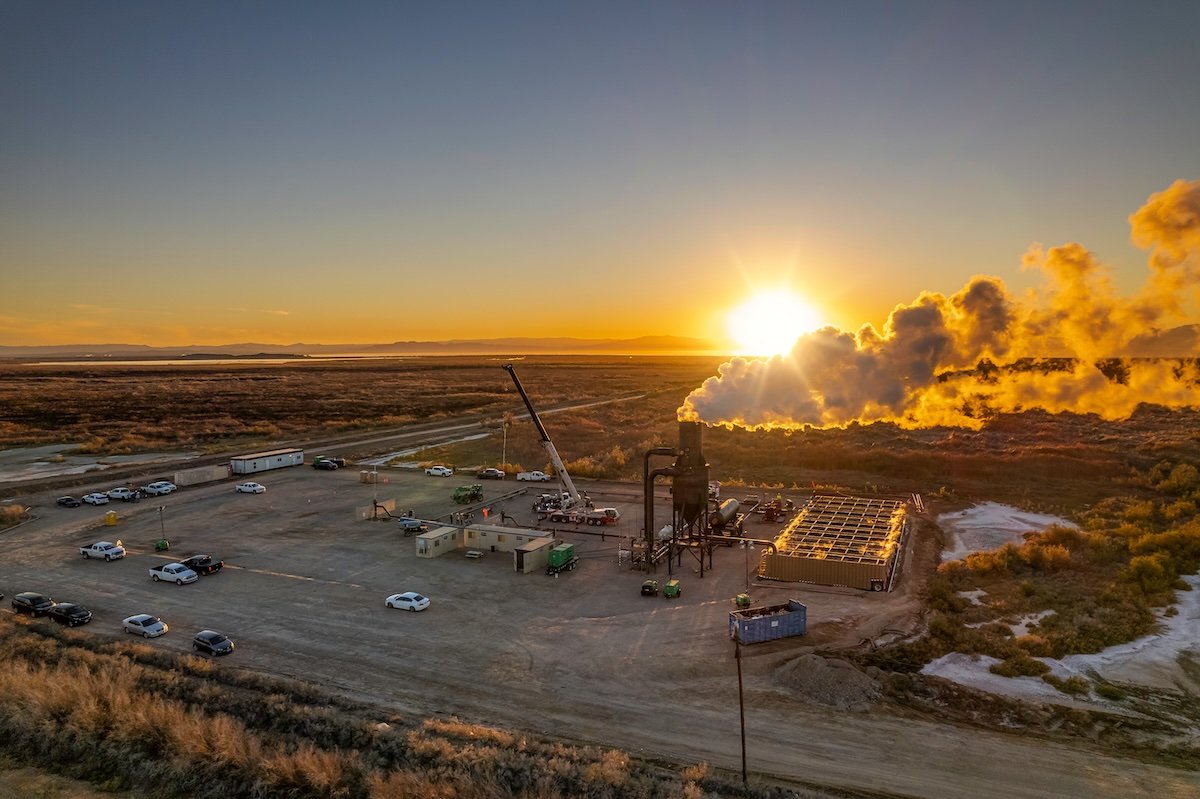
CTR’s Hell’s Kitchen Project is situated in Imperial County, CA, within the heart of the Salton Sea Geothermal Field – one of the world’s most prolific geothermal and critical minerals resource areas.
Located ~200 miles southeast of the City of Los Angeles and ~120 miles east of the City of San Diego, the Hell’s Kitchen Project Site is close to well-established local infrastructure, roads, rail, deep-sea ports, and gateway cities.
Hell’s Kitchen represents the future of U.S. clean energy independence.
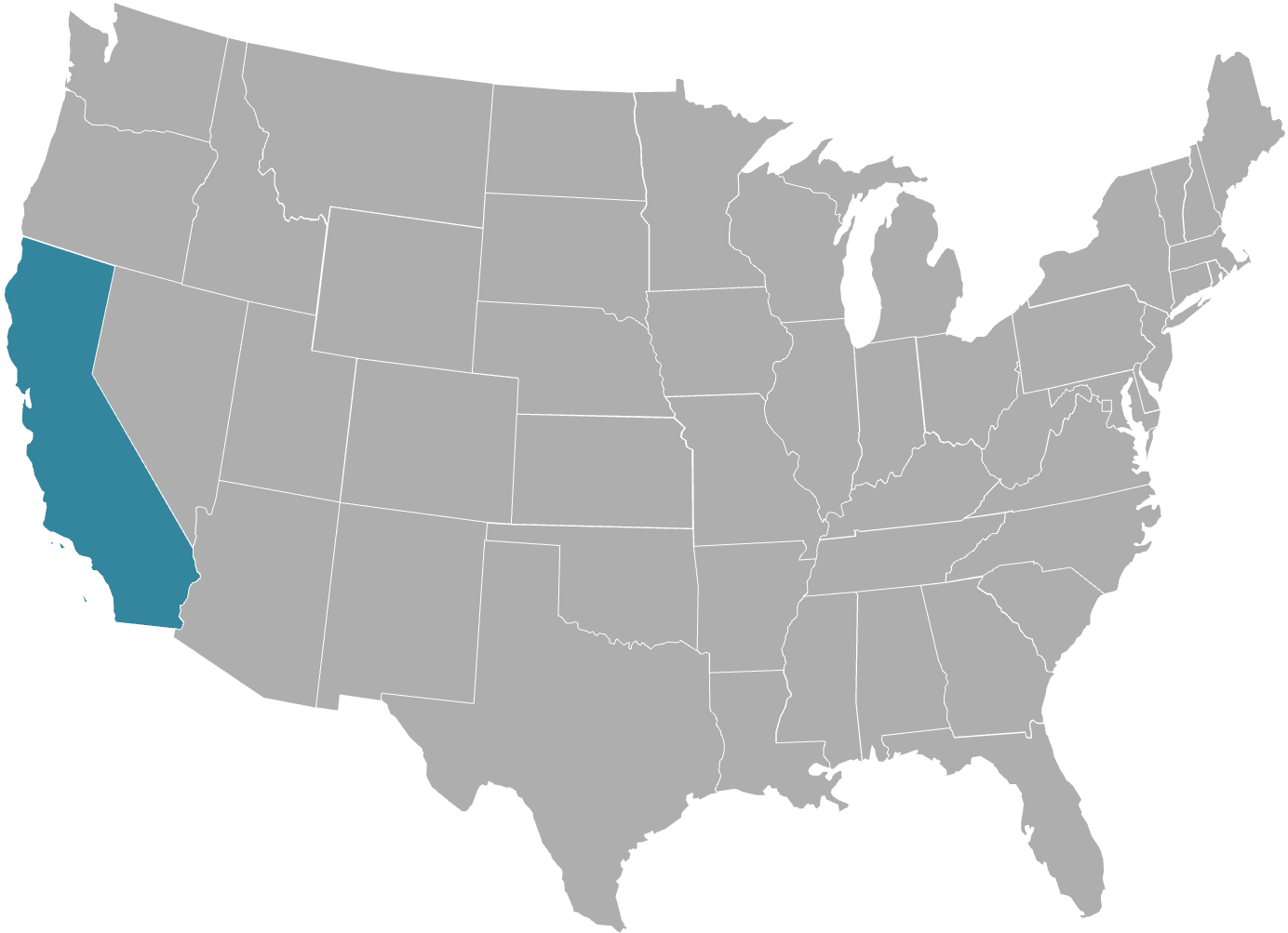
Hell’s Kitchen
Imperial County,
California
Imperial County,
California
Timed to Meet Global Power and Critical Minerals Demand
CTR has invested over twelve years developing its Hell’s Kitchen Project, engaging global industry leaders in engineering, procurement, construction, and technologies to deliver its Stage 1 Project.
2012
Controlled Thermal Resources founded
2013–2015
Site selection, research, and data analysis
2016–2019
Project site secured. Initial engineering and permitting commenced
2020
Power Purchase Agreement signed with Imperial Irrigation District
2021
General Motors Strategic Investment and Offtake Agreement
2022
Offtake Agreement executed with Stellantis
2023
Stellantis invests $100+MM in CTR
2023
D&O Plant constructed. DLE at 1/15 commercial scale, successful recovery of lithium
2024
Conditional Use Permit approved for Stage 1
2024
Definitive Feasibility Study completed by Baker Hughes
2025
Hell’s Kitchen designated as
Fast-41 covered project
Fast-41 covered project
Future Development
Final Investment Decision
Stage 1 Power and Lithium
Development of additional stages
Stage 1 Power and Lithium
Development of additional stages

A Unique and Robust Resource
The Imperial Valley forms part of the Salton Trough, a structural depression on the boundary between two tectonic plates.
Active faulting in the Salton Sea Known Geothermal Resource Area (SSKGRA) produces permeable conduits for the convection of hot, mineral-rich geothermal brine.
Reservoir temperatures are among the hottest of any geothermal area in the world, with measured values up to 734°F (390°C).
Electrical generation from the SSKGRA began in 1982 and has operated for over 40 years with no major declines in pressure, temperature, or production, demonstrating a large, long-life raw-material supply source.


Definitive Feasibility Study Supports 30-Year Operating Life for Stage 1
In June 2024, Baker Hughes completed geological assessment, well modeling, and reservoir simulation to estimate geothermal power potential and lithium production for Stage 1.
The modeling followed state-of-the-art technologies and reserve/resource classification guidelines as outlined by the SEC under S-K 1300.
Stage 1 Resource Estimates:
- Total Measured and Indicated Resource: 1.7 Mt Lithium Hydroxide Monohydrate (LHM) at 219 ppm
- Measured Category: 0.6 Mt LHM at 219 ppm
- Probable Reserves: 0.9 Mt LHM at 217 ppm (30-year life)

Hell’s Kitchen will operate within the largest mineralized geothermal brine resource in the United States
According to an assessment from the Lawrence Berkeley National Laboratory 'Geothermal Lithium Resource at Salton Sea, 2023', the Salton Sea Geothermal Reservoir is estimated to contain a proven lithium resource of 4.1 million metric tons of Lithium Carbonate Equivalent (LCE) and a probable lithium resource of 18 million metric tons of LCE.
Find Out More
4.1 million
metric tonnes Proven Lithium Resource (LCE)
metric tonnes Proven Lithium Resource (LCE)
Equivalent to
90 million
Tesla Model S
18 million
metric tonnes Probable Lithium Resource (LCE)
metric tonnes Probable Lithium Resource (LCE)
Equivalent to
375 million
Tesla Model S
“The timely development and rapid scale-up of these crucial domestic resources will set new global standards in supply chain integration and create thousands of good-paying jobs in the United States.”
– Rod Colwell, Chief Executive Officer
– Rod Colwell, Chief Executive Officer

Demonstration and Optimization Plant Delivers 95-97% Lithium Recovery
CTR operated an onsite Demonstration and Optimization Facility to identify optimum operating conditions for the brine conditioning and DLE process circuits using geothermal brine from its Stage 1 production wells.
Operation of the brine conditioning system successfully produced stable, high-quality brine feed for Direct Lithium Extraction, via adsorption process.
The facility included the operation of a 1/15th-scale DLE circuit.
DLE results of 95-97% lithium recovery were confirmed.

Key Benefits of Integrated Power and Lithium Hydroxide Production

Steam separation from brine uses conventional technologies

Integrated brine purification and lithium conversion maximizes efficiency

Water is recycled to minimize consumption

Renewable steam is used to concentrate lithium solution

Conversion of lithium chloride eluate to hydroxide uses conventional process

Geothermal resource produces consistent feed brine composition

CTR's Resource Resilience
In comparison to ‘pure play’ lithium projects, CTR will generate income streams from multiple resources, including baseload power, lithium, and other critical minerals. CTR is investigating additional minerals production, including potassium, boron, manganese, cesium, rubidium, strontium, and rare earth elements (REEs).
The Idaho National Laboratory completed a report in May 2023: ‘Rare Earth Elements in CTR’s Salton Sea Geothermal Brine’. The report identified minerals occurring in abundant quantities and elements requiring further investigation to confirm economic concentrations.
Occurs in Significant Quantities
Investigating Economic Concentrations
← Scroll to view full table →
Lanthanides
Actinides
H
He
Li
Lithium
No. 3
Occurs in Significant Quantities
No. 3
Occurs in Significant Quantities
Be
Beryllium
No. 4
Investigating Economic Concentrations
No. 4
Investigating Economic Concentrations
B
Boron
No. 5
Occurs in Significant Quantities
No. 5
Occurs in Significant Quantities
C
N
O
F
Ne
Na
Sodium
No. 11
Occurs in Significant Quantities
No. 11
Occurs in Significant Quantities
Mg
Magnesium
No. 12
Investigating Economic Concentrations
No. 12
Investigating Economic Concentrations
Al
Si
Silicon
No. 14
Occurs in Significant Quantities
No. 14
Occurs in Significant Quantities
P
S
Sulfur
No. 16
Investigating Economic Concentrations
No. 16
Investigating Economic Concentrations
Cl
Chlorine
No. 17
Occurs in Significant Quantities
No. 17
Occurs in Significant Quantities
Ar
K
Potassium
No. 19
Occurs in Significant Quantities
No. 19
Occurs in Significant Quantities
Ca
Calcium
No. 20
Occurs in Significant Quantities
No. 20
Occurs in Significant Quantities
Sc
Scandium
No. 21
Investigating Economic Concentrations
No. 21
Investigating Economic Concentrations
Ti
Titanium
No. 22
Investigating Economic Concentrations
No. 22
Investigating Economic Concentrations
V
Cr
Mn
Manganese
No. 25
Occurs in Significant Quantities
No. 25
Occurs in Significant Quantities
Fe
Iron
No. 26
Occurs in Significant Quantities
No. 26
Occurs in Significant Quantities
Co
Cobolt
No. 27
Investigating Economic Concentrations
No. 27
Investigating Economic Concentrations
Ni
Nikel
No. 28
Investigating Economic Concentrations
No. 28
Investigating Economic Concentrations
Cu
Copper
No. 29
Investigating Economic Concentrations
No. 29
Investigating Economic Concentrations
Zn
Zinc
No. 30
Occurs in Significant Quantities
No. 30
Occurs in Significant Quantities
Ga
Ge
As
Arsenic
No. 33
Investigating Economic Concentrations
No. 33
Investigating Economic Concentrations
Se
Br
Bromine
No. 35
Investigating Economic Concentrations
No. 35
Investigating Economic Concentrations
Kr
Rb
Rubidium
No. 37
Investigating Economic Concentrations
No. 37
Investigating Economic Concentrations
Sr
Strontium
No. 38
Occurs in Significant Quantities
No. 38
Occurs in Significant Quantities
Y
Yttrium
No. 39
Investigating Economic Concentraions
No. 39
Investigating Economic Concentraions
Zr
Nb
Mo
Tc
Ru
Rh
Pd
Ag
Silver
No. 47
Investigating Economic Concentrations
No. 47
Investigating Economic Concentrations
Cd
Cadmium
No. 48
Investigating Economic Concentrations
No. 48
Investigating Economic Concentrations
In
Sn
Sb
Te
I
Iodine
No. 53
Confirming Economic Concentrations
No. 53
Confirming Economic Concentrations
Xe
Cs
Cesium
No. 55
Investigating Economic Concentrations
No. 55
Investigating Economic Concentrations
Ba
Barium
No. 56
Occurs in Significant Quantities
No. 56
Occurs in Significant Quantities
La
Lanthanum
No. 57
Investigating Economic Concentrations
No. 57
Investigating Economic Concentrations
Hf
Ta
W
Re
Os
Ir
Pt
Au
Hg
Tl
Thallium
No. 81
Investigating Economic Concentrations
No. 81
Investigating Economic Concentrations
Pb
Lead
No. 82
Investigating Economic Concentrations
No. 82
Investigating Economic Concentrations
Bi
Bismuth
No. 83
Investigating Economic Concentrations
No. 83
Investigating Economic Concentrations
Po
At
Rn
Fr
Ra
Ac
Rf
Db
Sg
Bh
Hs
Mt
Ds
Rg
Cn
Nh
Fl
Mc
Lv
Ts
Og
La
Lanthanum
No. 57
Investigating Economic Concentrations
No. 57
Investigating Economic Concentrations
Ce
Cerium
No. 58
Investigating Economic Concentrations
No. 58
Investigating Economic Concentrations
Pr
Praseodymium
No. 59
Investigating Economic Concentrations
No. 59
Investigating Economic Concentrations
Nd
Neodymium
No. 60
Investigating Economic Concentrations
No. 60
Investigating Economic Concentrations
Pm
Sm
Samarium
No. 62
Investigating Economic Concentrations
No. 62
Investigating Economic Concentrations
Eu
Europium
No. 63
Investigating Economic Concentrations
No. 63
Investigating Economic Concentrations
Gd
Gadolinium
No. 64
Investigating Economic Concentrations
No. 64
Investigating Economic Concentrations
Tb
Terbium
No. 65
Investigating Economic Concentrations
No. 65
Investigating Economic Concentrations
Dy
Dysprosium
No. 66
Investigating Economic Concentrations
No. 66
Investigating Economic Concentrations
Ho
Holmium
No. 67
Investigating Economic Concentrations
No. 67
Investigating Economic Concentrations
Er
Erbium
No. 68
Investigating Economic Concentrations
No. 68
Investigating Economic Concentrations
Tm
Thulium
No. 69
Investigating Economic Concentrations
No. 69
Investigating Economic Concentrations
Yb
Ytterbium
No. 70
Investigating Economic Concentrations
No. 70
Investigating Economic Concentrations
Lu
Luteium
No. 71
Investigating Economic Concentrations
No. 71
Investigating Economic Concentrations
Ac
Th
Pa
U
Np
Pu
Am
Cm
Bk
Cf
Es
Fm
Md
No
Lr

Leadership Team

30+ years of experience in property, clean energy, and minerals commercial development
Rod Colwell
Chief Executive Officer

40+ years senior management positions in chemicals and renewable energy sectors
Jim Turner
President

30+ years of experience in finance strategy, corporate development, org design, project finance and valuation
Eric Thayer
Chief Financial Officer

25 years of experience in leadership, corporate, and investor relations roles within global commercial property and clean energy sectors
Nicole Colwell
Chief of Staff

Communications, marketing and project development specialist with 30+ years of experience in the media and marketing sectors
Lauren Rose
Chief Communications Officer
Board of Directors and Advisors
30+ years of experience in property, clean energy, and minerals commercial development
Rod Colwell
CEO & Director
40+ years senior management positions in chemicals and renewable energy sectors
Jim Turner
President & Director

40+ years within property and energy industries in both public and private sectors
Kemsley Cross
Director

25+ years of experience in finance, accounting and corporate advisory
David Jackson
Director

30+ years experience in transport and property development including industrial, commercial and residential
Nicholas Cavanagh
Director

Former Australian Minister for Foreign Affairs and deputy leader of the Australian Liberal Party
Julie Bishop
Special Advisor to the Board

Backed by World-Class Project Partners


Associations and Affiliations Proudly Supported by CTR







CTR
Brochure

Lawerence Berkeley National Laboratory
FAQ

Contact Us